

Hey Friends,
I hope you’re doing well. I’ve been sitting with something for a while now…
The world is shifting fast, and people are feeling it in their bones. Where they live, what they live for, who they want around them. Travel used to be an escape. Now it’s something closer to a search.
From 20+ years living in Costa Rica and working in hospitality and real estate, I’ve watched this happen in real time. People are no longer just booking retreats for a reset. They’re using travel, land, and experience to test out entirely different ways of living. People throw around terms like regenerative living, eco-villages, homesteading — but it’s hard to know what any of that means until you’ve actually lived it, even briefly.
Something Bigger is Driving This Shift
Let’s name what’s underneath all of it.
International conflicts. Gold and Bitcoin swinging. Currencies wobbling. Oil spiking. AI creating real questions about what’s even true anymore. People are watching the world they built their lives around become less stable — and they’re responding.
Farmland is being scooped up at a pace I haven’t seen before. Farm stays, agro-tourism, homesteading, BnB dreams — scroll Instagram for five minutes and it’s everywhere. That’s not an accident. That’s fear driving the trend, and in some cases, real foresight.
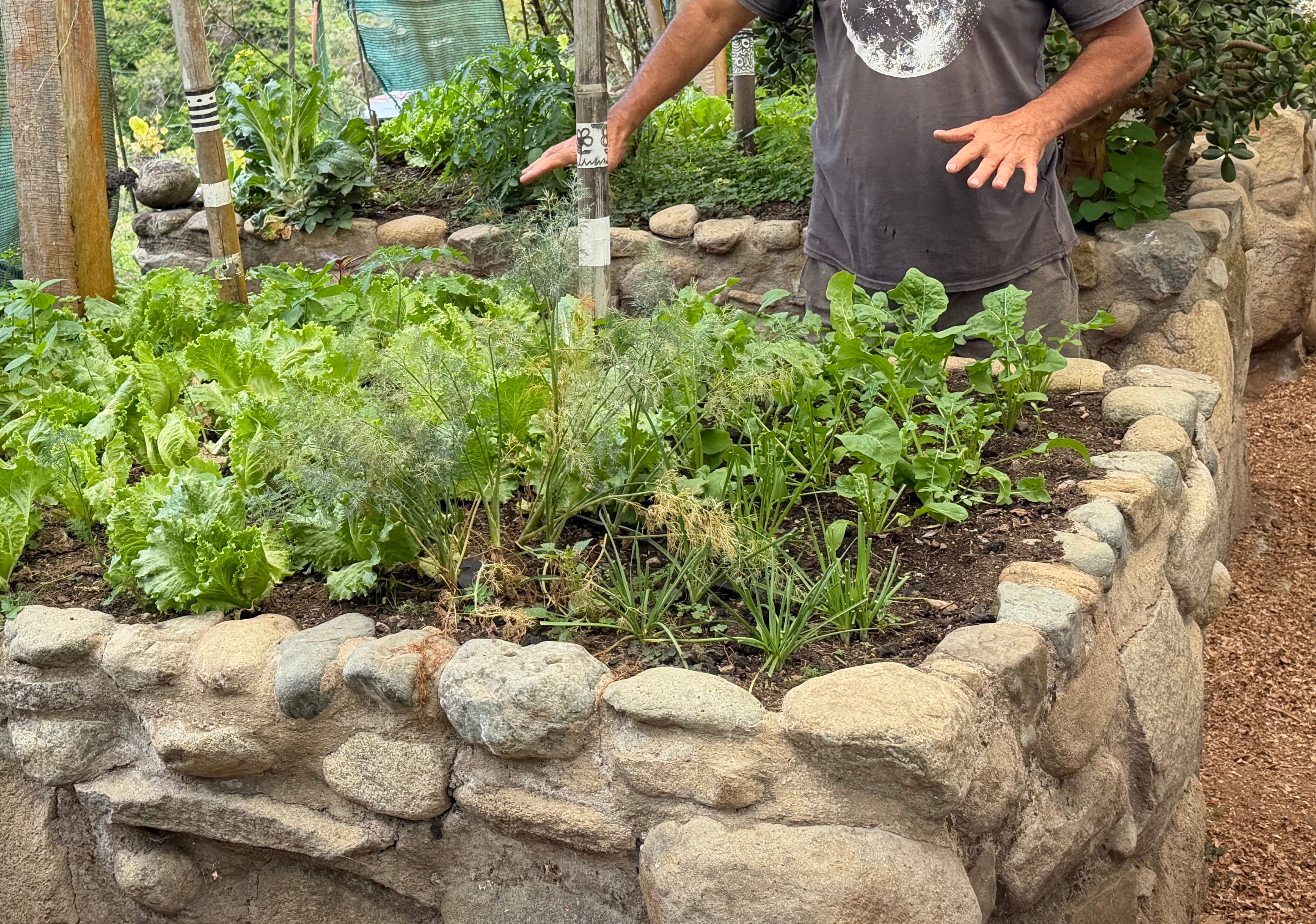
For a lot of people, living on the land is no longer a romantic idea. It’s starting to feel like a necessity. And retreats and travel, whether people are conscious of it or not, are part of how they’re testing that possibility.
We’re in a Meaning-Making Moment
Collectively, not just individually. What do I actually value? Who do I want around me? How do I want to live? It’s part of why I ended up in Costa Rica — to find out who I am, what I’m here for, and what community looks like when you actually live it.
Retreats were one path I walked in pursuit of those answers. But the classic format — a few days in a beautiful place, structured program, group sharing — offers temporary relief at best. You open, you feel something, you go home. Life resumes. Without a before and after, without integration, the needle barely moves. That’s not a knock. That’s just how lasting change works.
Three Trends I’m Noticing in Travel and Retreats:
People are going solo more. Less group retreats, more personal travel. Visiting a healer or teacher, spending time alone in nature, living somewhere different for a few months. The lifestyle becomes the container. In wellness travel, solo detoxes and health-focused trips are starting to outpace the once-popular group retreat.
Longer formats are gaining traction. Teacher trainings, residencies, year-long programs with an in-person component. I did one of those myself in regenerative development — a profound training that ended in an in-person intensive. A lot of people conflate this with a retreat and then wonder why a weekend didn’t produce a year’s worth of change. The same goes for my work with Leap Forward - that’s been years!
The line between retreating and living is blurring. People are spending extended time in centers, towns, and communities — training, healing, being in relationship over months instead of days. Homes, vacation rentals, and BnB retreat centers are making that possible. But it has to be done right. You want to give people a real taste of community, not a luxury Airbnb with a meditation cushion and mediocre experience of local culture.
From the Organizer & Retreat Leader’s Side
People who built their work around group retreats are rethinking the whole thing. A lot are moving toward VIP days, one-on-one intensives, small private containers, co-living experiences in thriving hubs with their existing communities.
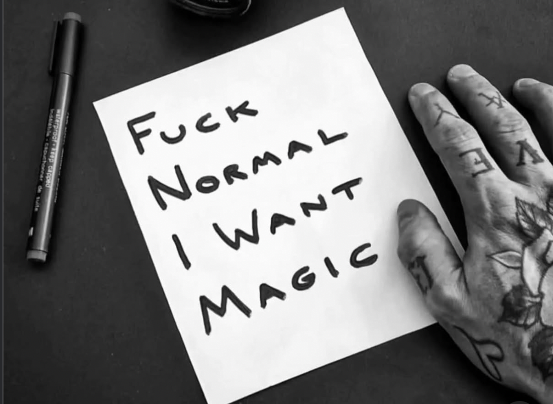
What I always said when working with retreat leaders is still true: form follows function. What transformation is realistic in the time you have with your people? Design for impact.
But before you go there, sit with the harder question: why gather at all?
You could be working. Resting. In service to someone down the street. If you’re asking people to travel, take time off, and spend real money — you better have a clear answer. Sometimes it’s simple: extended time in nature, together, with space to breathe. That’s enough. But it has to be intentional. And if you want the change to stick, there has to be a before and after. Frequency matters. It’s our lives we’re designing here.
From the Space Owner & Land Steward’s Side
This is the piece I don’t hear talked about enough. When I ran my retreat center, occupancy was strong, not because we were fancy. We had glamping tents. What made us work was flexibility and our the love we put into our space. We could expand capacity on demand, turn a dining room into a workshop space or a fully produced filming set in the jungle. Every corner of the property had a purpose we’d learned from being with hundreds of guests: opening ceremony at the sacred tree, vulnerable conversations in the covered indoor space, contemplation space on walks on the outer trails to find the lookout bench...
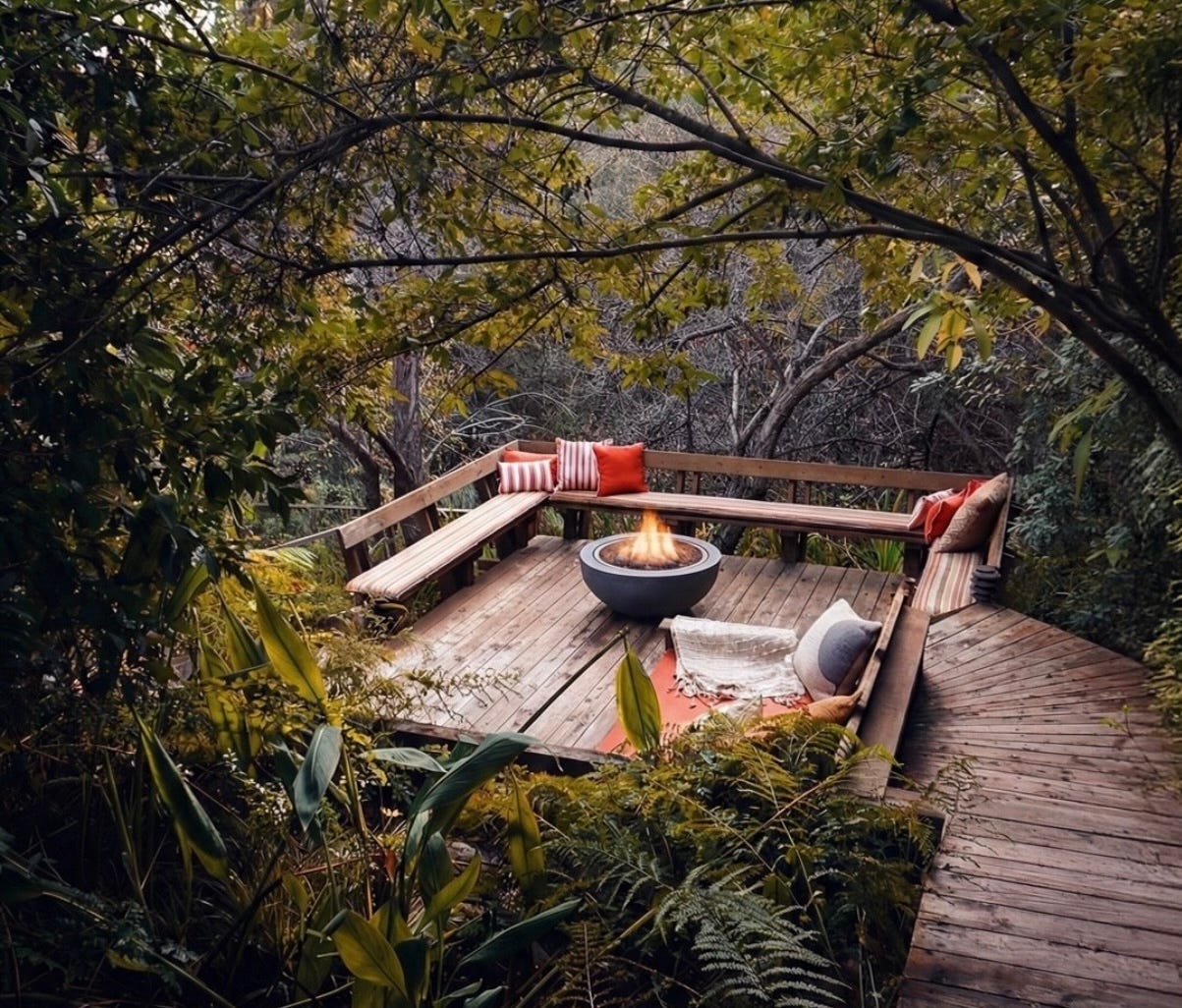
When people needed to stay longer, we adapted. A glamping tent works for a weekend program. It doesn’t work for a two-week detox or a month-long residency. Different needs require different infrastructure — which means you have to actually think about who you’re designing for before you build.
During the pandemic, spaces that thrived had standalone cabins, mini kitchens, room for luggage — places people could actually live for months. Resilience came from versatility, not Pinterest aesthetics. The same set up works for the longer stays I mentioned, as well as the solo retreat. The point is you are designing for the needs of real people, thus you
The Bigger Picture: Hospitality as a Bridge
A lot of the projects I work with have multiple components: a retreat or wellness center, some residential lots or homes, and something in between — what hospitality has long called “branded residences.” Think homes managed by a hotel company. As people buy property abroad that they don’t use year-round, a management company operates and rents those homes.
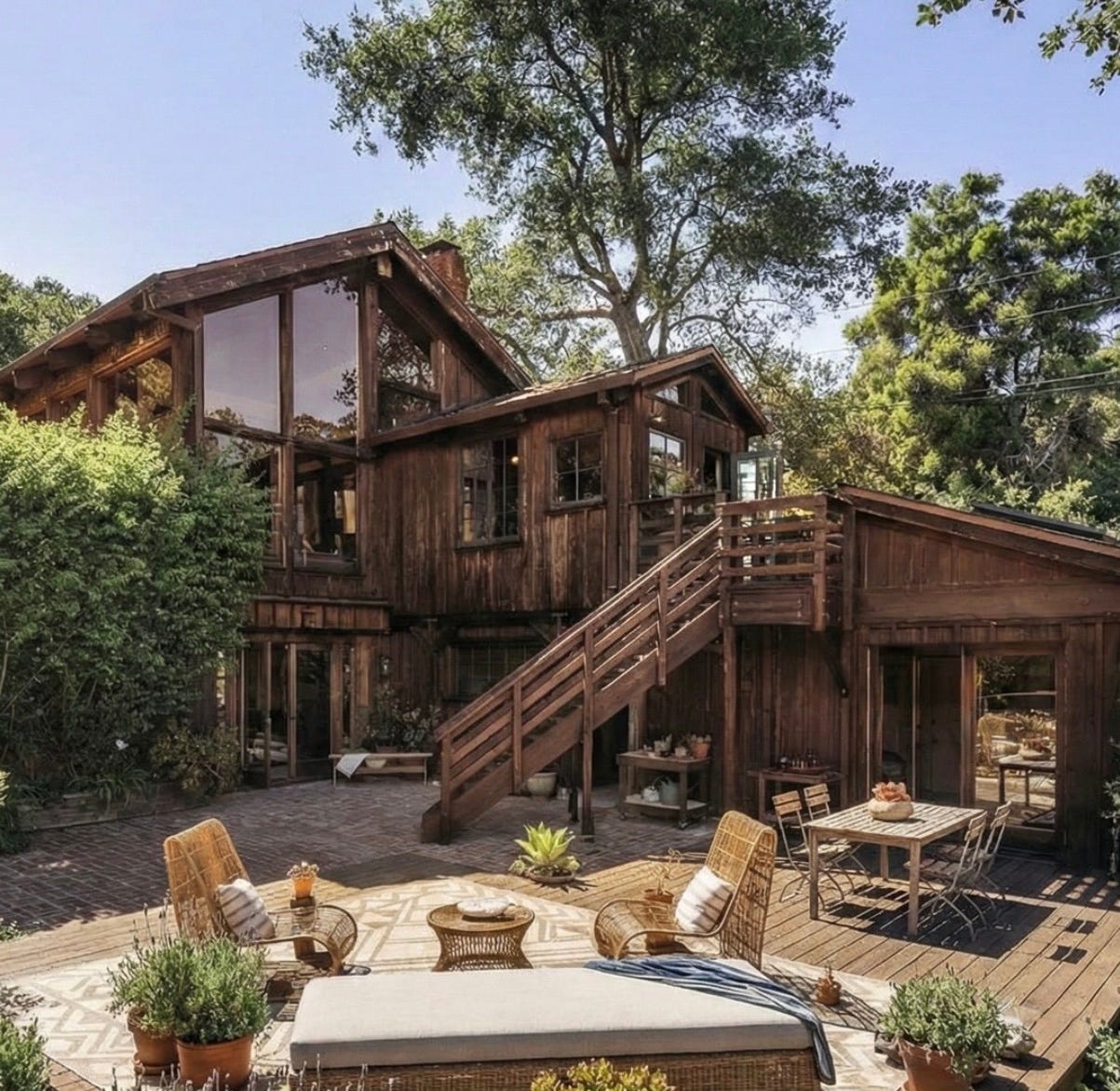
What I believe can emerge in regenerative and community-focused projects is something with a different intention: let people stay longer and actually feel what it’s like to live somewhere before they decide to root there. Feel the daily texture. The climate on your body. The local community beyond the expat bubble. That’s a completely different data set than a five-day retreat.
I see too many people rushing to buy land and build before they know whether a place is really theirs — out of fear, urgency, or excitement not yet tested by time. A few years later they’re selling, or they’ve built something that doesn’t fit their life. And what’s left behind is over-development in countries like Costa Rica and Bali that are already straining under the pressure.
An Honest Note to Close
My mentor and dear friend Ronit Herzfeld says:
“You need to know where you are first, and then where you are going.”
So let’s be honest about where we are…
Eco-villages, regenerative communities, retreat centers serving local and global populations — this is an emerging field. Anyone who tells you they’ve figured it out is not being straight with you. I’ve been at this 20+ years and I learn something new on every project. The pioneers actually living in these communities: they fight, they bicker, they figure it out as they go. They’re not failing. They’re doing what pioneers do. They’re testing, and adapting.
People throw around big words. Regenerative. Renaissance. Revolution. Most don’t know what those mean on the ground. That’s not a criticism — it’s just where we are. We’re at the beginning of something getting established, not the proof of something that works at scale. And where we have to start is ourselves. The outer structures are only a reflection of the inner work.
Until next time,
Edward
Resource Section: Dear Future Human
In many newsletters and emails, I’ve share a lot of valuable insights and lessons from Leap Forward and it’s founder Ronit Herzfeld. Dear Future Human is nothing short of a compass for life. These letters ring an alarm bell of sorts in the soul, and provide a variety of practical tools for anyone to benefit from.

Recent Interviews for the Land Steward Alliance:


Pura Vida,
Edward Zaydelman
Live the Possibility
@edwardzaydelman / Pinterest / YouTube
Important Links:
Questions? Just hit reply - I read every email personally.


If you’re new to Live the Possibility...
My mission is helping visionaries like you bring sustainable land projects to life. After 18+ years developing properties and communities here, I’ve learned that success comes from balancing bold vision with practical execution. I support clients in creating projects that honor both their dreams and the land itself. Every decision should consider impact on the local community, environment, and future generations. This means taking time to listen to the land, build trust with neighbors, and develop clear strategies that work for all stakeholders.
Your point about people buying land before they know if a place is really theirs hits the nail on the head. I've watched this play out in Belize: ppl visit for two weeks, fall in love with the fantasy, then realize eighteen months later they can't handle the actual systems, pace, or cultural differences. The infrastructure you describe for longer testing periods could save people from expensive mistakes, but to some degree, time-in-country is the ultimate decision factor. There are things I dislike about Belize, and it took me longer than a few months to discover them. Ultimately, the pros outweigh the cons, and I don't regret buying early on.
This really spoke to me- especially the part where you said about people opening in retreats but then not having a real before and after or knowing how to implement this into their everyday life to move forward. That's actually the core of my work: orientation. To help people see where they are in their process, what's actually happening beneath the surface, and what their next steps are. It feels very aligned with what you're saying about longer stays, residencies, and people wanting to actually live differently- not just having a peak experience and then going back to their old patterns. Would love to connect more around this and explore how it could weave into what you're creating.