

Hey friends,
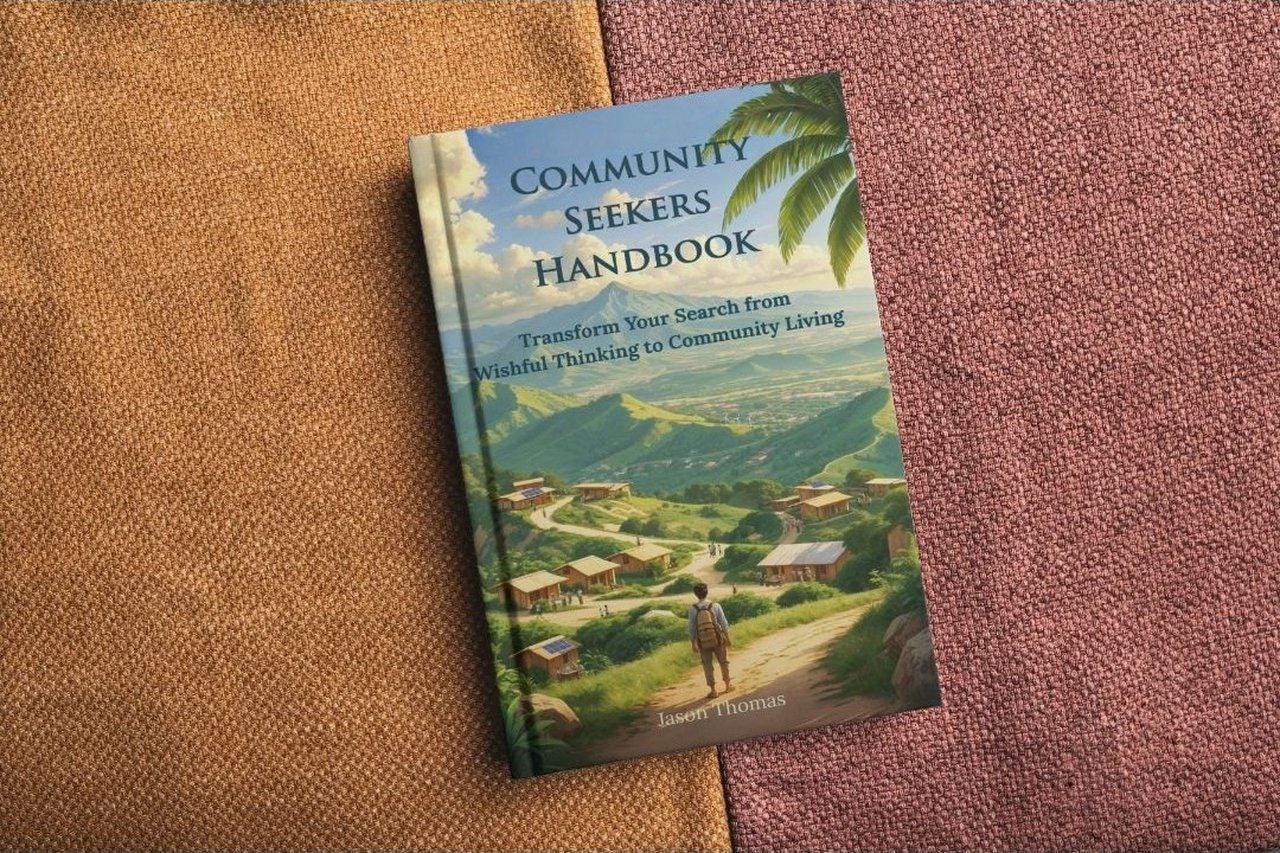
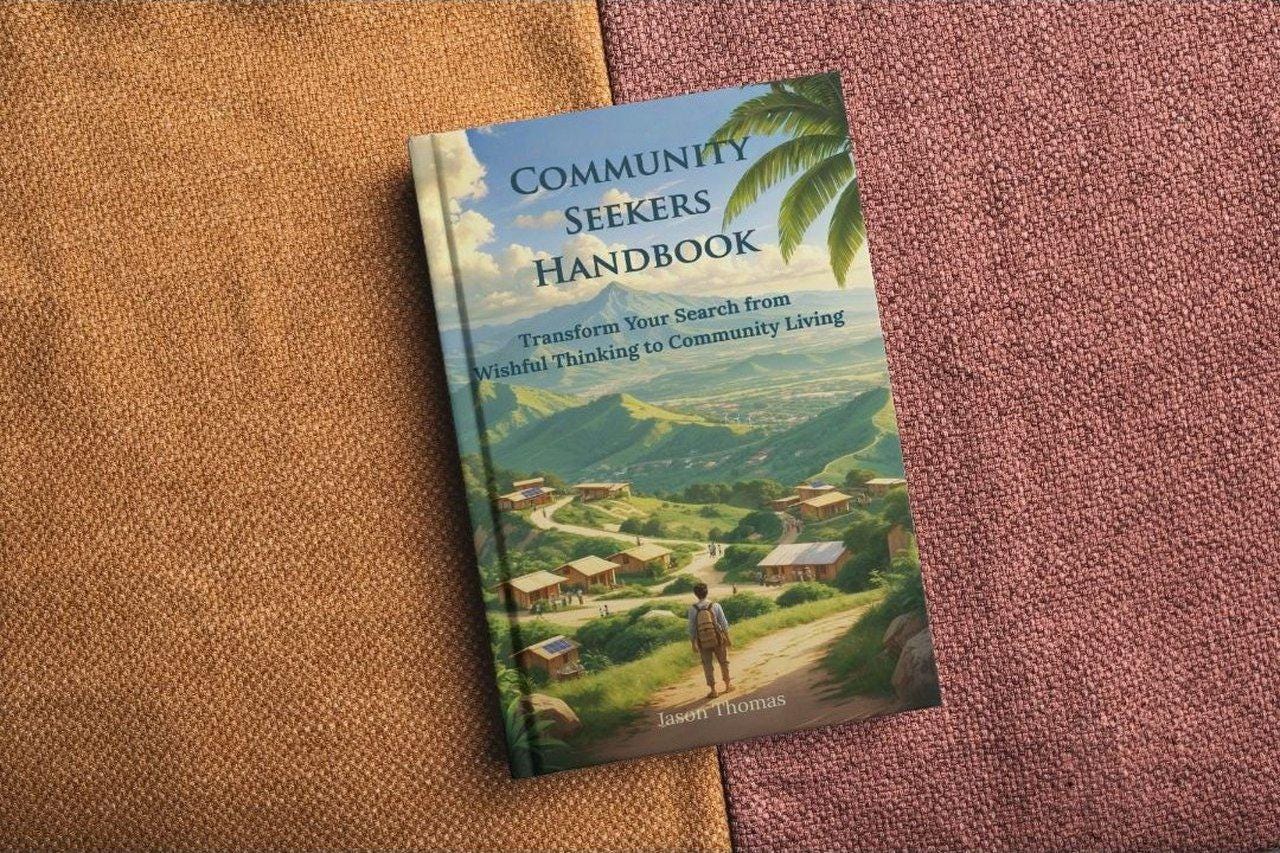
I hope you’re doing well! This week, I had the pleasure of speaking with Jason Thomas of Regeneration Nation. Jason consults people on the invisible structures and agreements in their land projects, has written the Community Seekers Handbook, and takes people on Ecovillage tours across Costa Rica.
What he shared in this interview was wisdom I wish I’d had two decades ago when I was starting out looking at land-based communities and eco-villages with starry eyes and big hopes! We dove deep into shared learnings that could be quite useful for anyone interested in this topic!
Below are the key lessons and takeaways from our discussion as well as links to the resources mentioned!
The Naive Approach (And Why It Fails)
Most community projects don’t fail for lack of land issues or lack of money, they fail because people skip the hard early conversations, racing to the sexy stuff like vision boards, infrastructure, and land hunts while the invisible foundations that actually make community work get ignored until it’s too late.
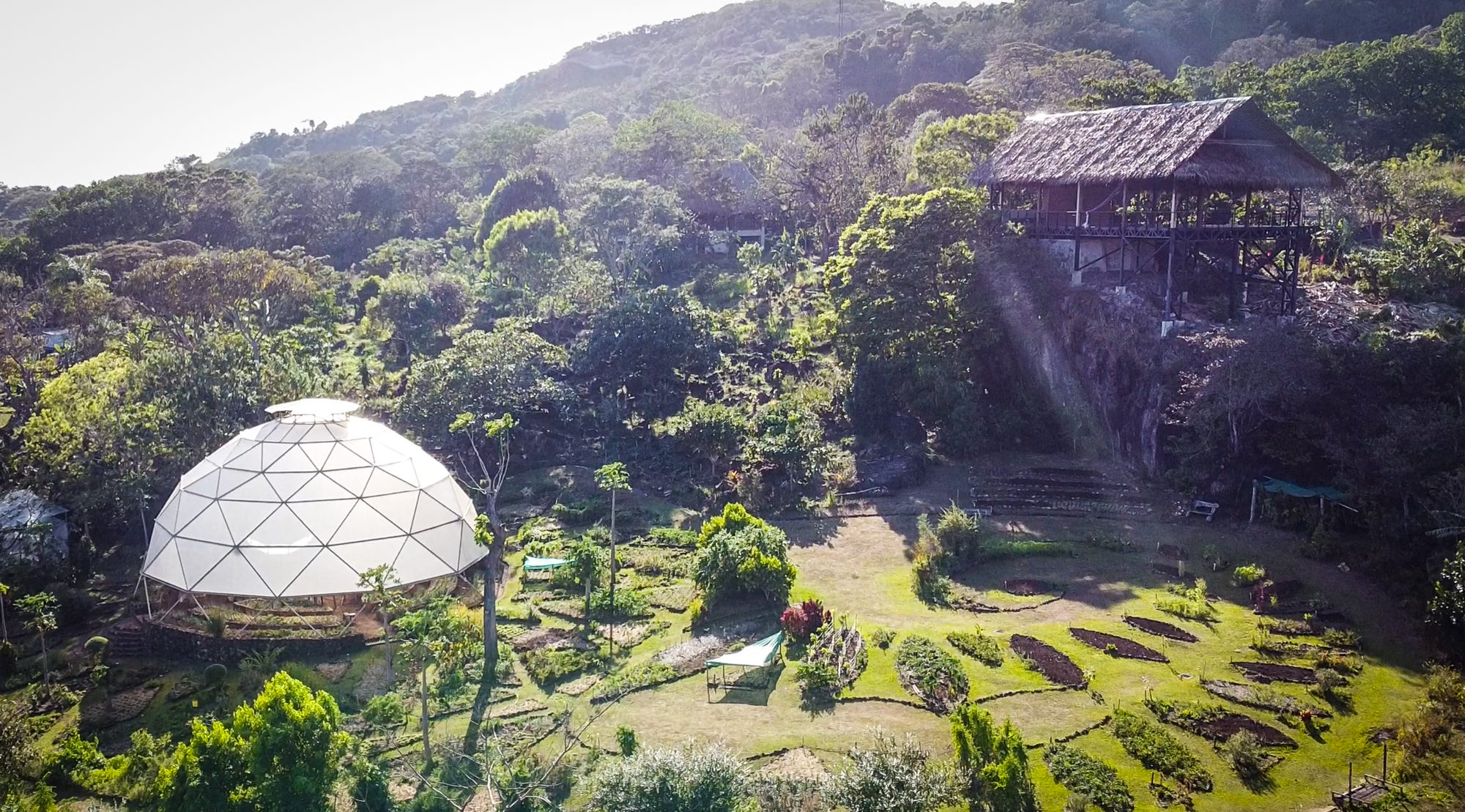
Jason calls this “naive community building,” and I’ve watched it play out countless times: someone buys beautiful land, crafts an inspiring vision, even builds gorgeous structures and attracts excited people—then comes conflict, unrealistic expectations, high turnover, and wasted energy.
Why? Because the focus stayed on superficial features (land, amenities, aesthetics) instead of the real foundation: understanding human dynamics. This is a major reason I joined the Leap Forward community!
Most people avoid difficult conversations because they’re uncomfortable. It feels easier to stay in the dreamy vision phase vs get down to the nuts and bolts of the agreements. That “easiness” is what kills projects and stakeholders later.
What Actually Works: The Agreements Foundation
“Agreements are the foundation. They attract aligned members and deter misfits. They prevent conflict by defining expectations and decision-making processes upfront.”
Jason broke down what makes community agreements actually work:
Balance is everything. They need to be detailed enough to create safety and clarity, but not so rigid that they scare off every reasonable human being. Nobody wants to join a community with a 500-page manual of micromanagement.
Process over decisions. Agreements must define how decisions will be made, not just what the decisions are. It’s about establishing a framework everyone can trust.
Conflict resolution must be built in. Jason calls this the “Wisdom Circle”—a clear escalation protocol. When conflict arises (not if, but when), there’s a defined path: direct communication first between the parties, then mediation if needed, then whatever next level you’ve agreed upon in your specific community.
One insight that really landed: well-designed agreements aren’t restrictive. They’re liberating. They give people permission to show up authentically because the container is clear.
Jason also introduced me to permaculture’s “Transition Care” ethic — the acknowledgment that everyone is on a unique journey. The goal isn’t to impose rigid standards on people. It’s to honor individual effort and create supportive systems that help people grow.
Beyond Single Projects: The Bioregional Future
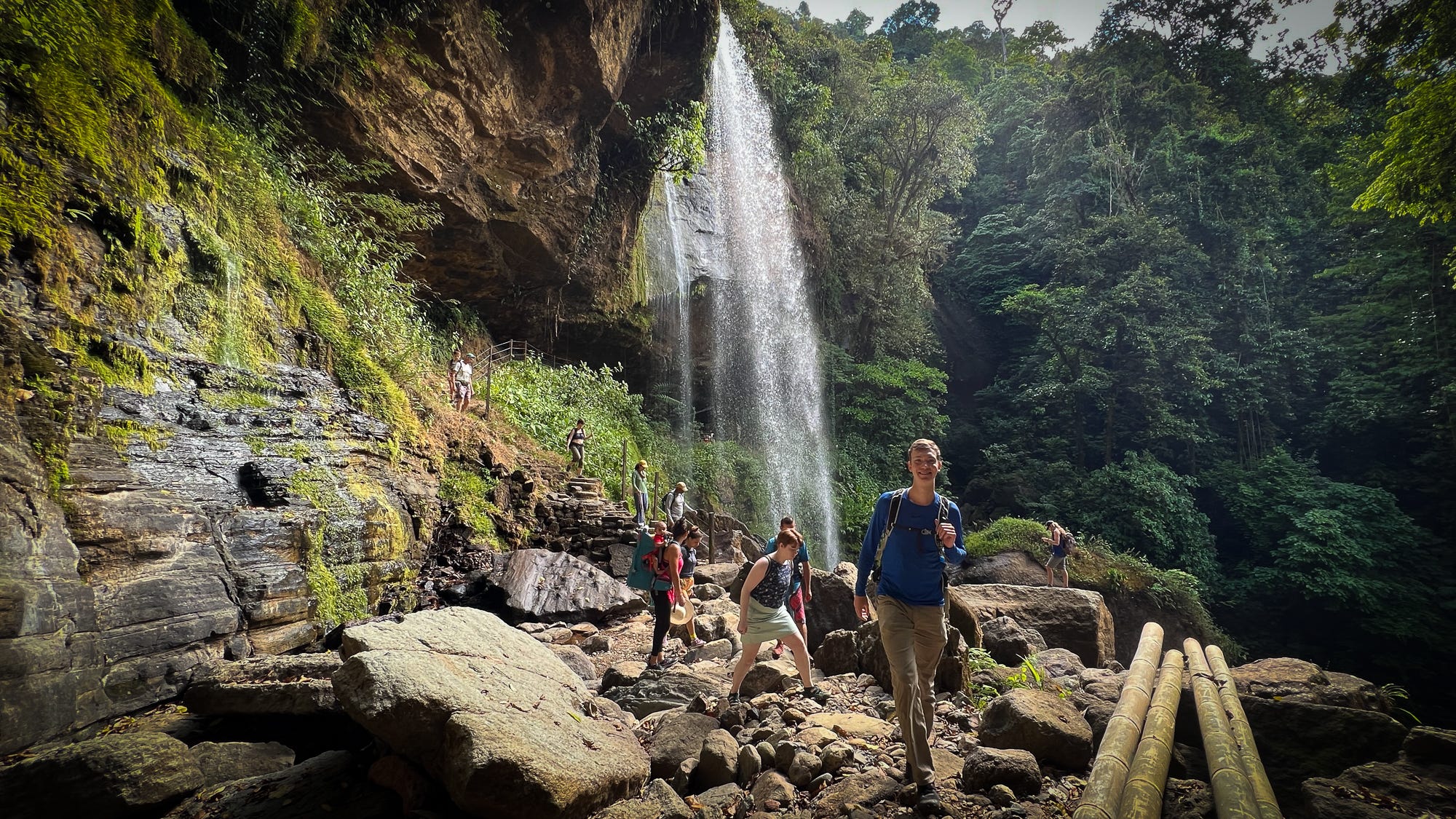
Here’s where the conversation really opened up for me. Jason shared: “The future of community is bioregional—a network of projects collaborating within a shared ecosystem.”
Instead of one project succeeding or failing alone, you’ve got a web of support. When one community faces challenges, the bioregion helps. When one thrives, the whole ecosystem benefits. It builds resilience at a scale that single projects can’t achieve.
This completely reframes what success looks like. It’s not about your individual eco-village becoming the next Findhorn or Damanhur. It’s about being part of a regenerative movement that’s networked, collaborative, and anti-fragile.
The Gentrification Question (And One Remedy)
If you’re building a community or retreat center in Costa Rica—or anywhere outside your home country—you really need to hear this part.
Jason was direct: “Gentrification is a practice of disconnection.”
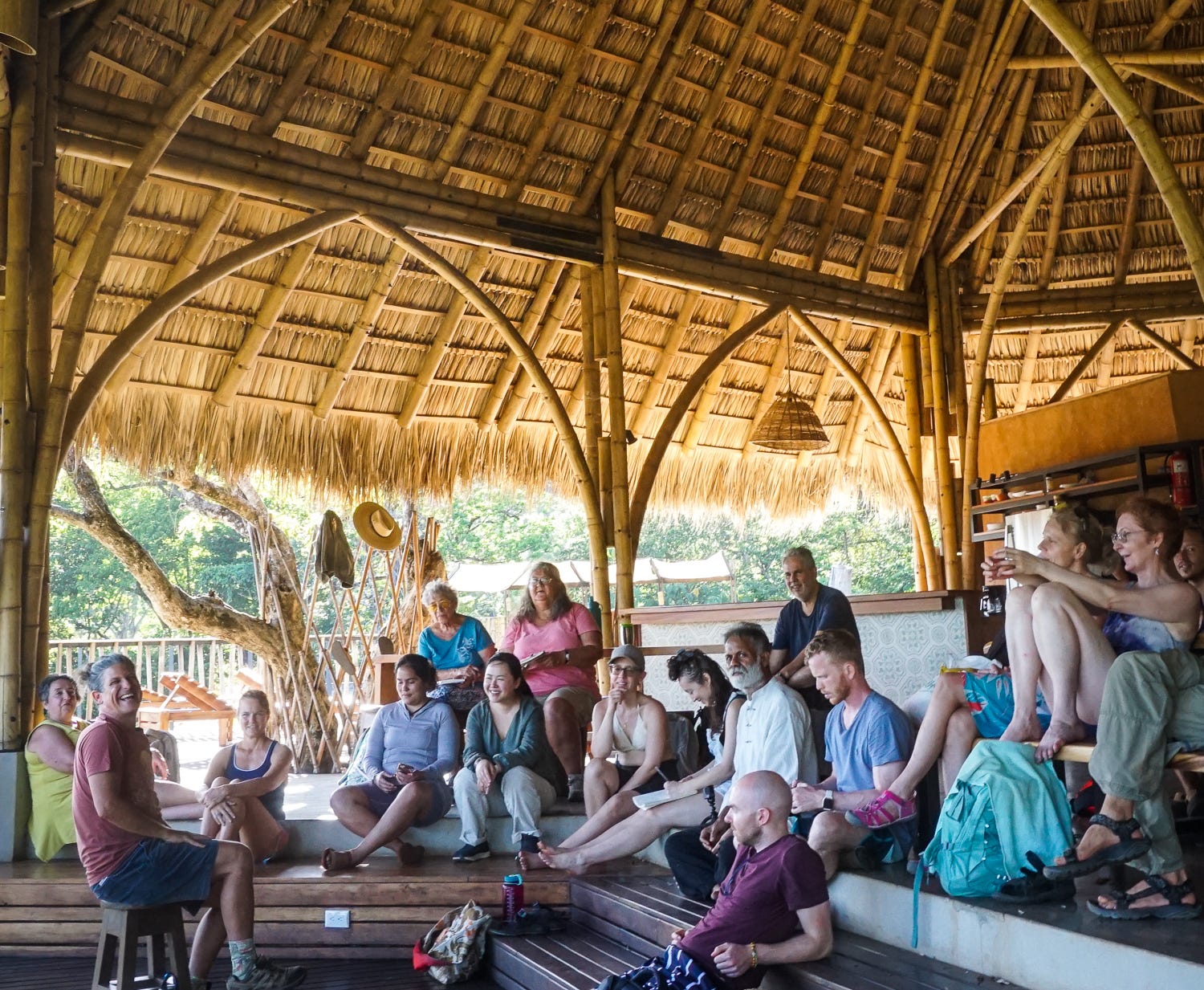
One remedy? Cultural bridge-building.
Before you even buy land, go door-to-door and engage with locals. Not after you’ve purchased. Not after you’ve started building. Before. Jason shared the gold standard from a project called Brave Earth here in Costa Rica.
Understand their needs. Ask what they care about. Build actual relationships. Jason emphasized this isn’t just ethical—it’s practical due diligence. These conversations will reveal things about the land, the area, and the community that no lawyer or survey will tell you. Plus, you create allies who might want to collaborate or offer services to your future guests.
One of the most practical things Jason said: “when locals see you doing this level of engagement, they become your biggest advocates instead of your biggest obstacles.”
Key Lessons from the Conversation
Do the deep discovery work first - Alignment comes from honest self-assessment work between you and you.
Agreements aren’t optional - They’re the foundation everything else is built on. Start this process early and get clarity!
Define your conflict resolution path upfront - Don’t wait until you’re in crisis.
Think bioregionally - Network with other projects for resilience.
Engage neighbors before buying land - Cultural bridge-building prevents gentrification and creates interdependence
Use modern tools and business practices - Success requires systems.
What This Means for You
If you’re building community—or thinking about joining one—ask:
Have we done the deep discovery work to understand our own values and needs?
Have we defined our decision-making process clearly?
Do we have a conflict resolution path established before we need it?
Have we engaged local neighbors authentically?
Are we building in isolation or seeking bioregional connections?
Building community isn’t about having the perfect vision or the most beautiful land. It’s about creating the right foundations so humans and nature can actually thrive together over time.
Most people get this backwards. They think the land or the infrastructure is the hard part. But the real work? It’s the invisible stuff. The agreements. The communication. The relationships with neighbors. The psychological safety. The conflict resolution. Get that right, and everything else becomes possible!
Resources Shared in the Interview
Ecovillage Tours: Use Discount Code “LTP” to receive $200 Off!
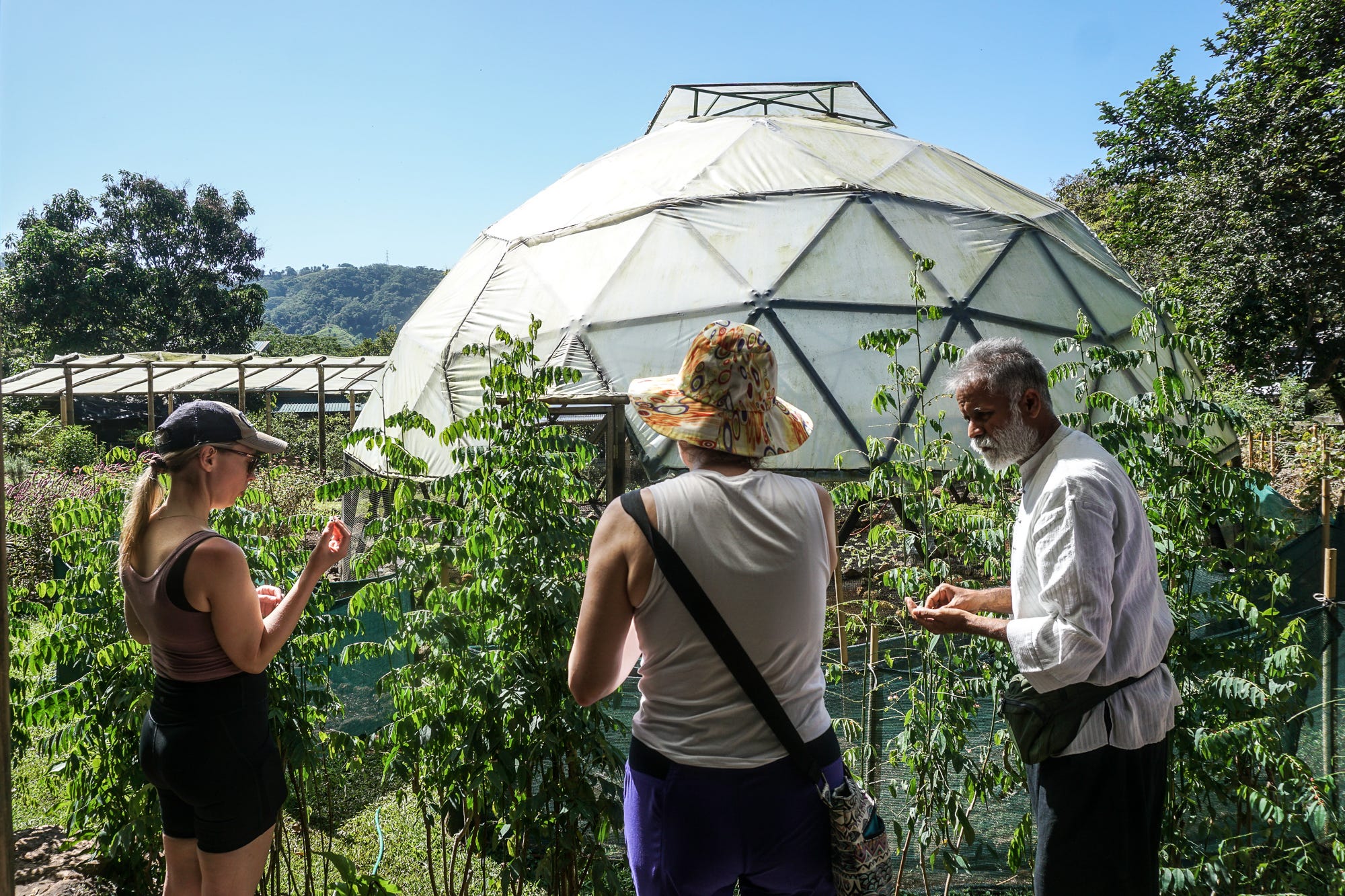
Incredible guided tours to 23+ communities across Costa Rica and beyond. And they’ve just announced their full lineup of 2026 tours!
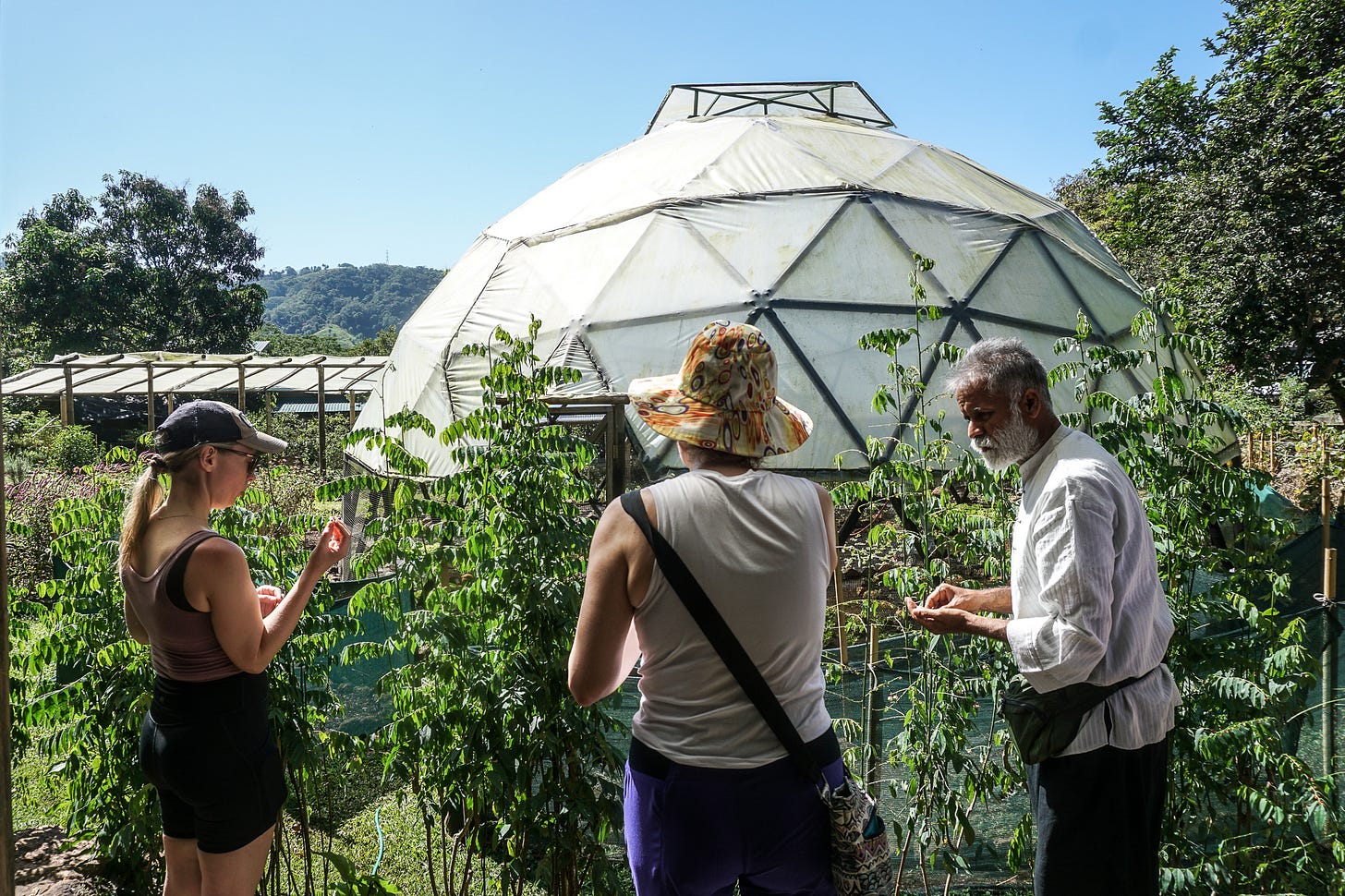
These tours are perfect if you’re dreaming of joining or starting an intentional community. You’ll visit a diversity of ecovillages, meet founders and residents, and see firsthand how these communities work—from governance and group dynamics to food systems and daily rhythms. It’s a rare chance to build relationships, get inspired, and gather practical tools to move forward on your own community journey. The Community Seekers Handbook: 200-page guide with self-assessment frameworks, 50-point vetting questionnaire, and guidance on immigration without gentrification. A highly recommended read!
To Your Thriving Life,
Edward Zaydelman
Live the Possibility
@edwardzaydelman / Pinterest / YouTube
Important Links:
Questions? Just hit reply - I read every email personally.
If you’re new to Live the Possibility...
My mission is helping visionaries like you bring sustainable land projects to life. After 18+ years developing properties and communities here, I’ve learned that success comes from balancing bold vision with practical execution. I support clients in creating projects that honor both their dreams and the land itself. Every decision should consider impact on the local community, environment, and future generations. This means taking time to listen to the land, build trust with neighbors, and develop clear strategies that work for all stakeholders.


